2026 FIFA World Cup Expected to Set New Benchmarks in Sports Wagering

Industry observers noted in late June 2026 that the upcoming FIFA World Cup stands positioned to become the largest sports betting event recorded to date, and projections point toward substantially elevated betting volumes compared to the 2022 edition in Qatar. The expansion from 32 to 48 participating teams creates a longer tournament schedule with additional matches, while the North American hosting locations introduce match times that align more closely with peak viewing hours across the United States and other global markets. These elements combine to create conditions where U.S. sportsbooks and operators anticipate record levels of handle as the event unfolds across multiple legalized jurisdictions.
Expanded Tournament Format Drives Increased Activity
The shift to 48 teams extends the group stage and overall number of fixtures, which according to the Reuters analysis creates more opportunities for wagers throughout the competition window. Observers note that each additional match generates fresh betting markets across moneylines, totals, player props and live in-game options, and this multiplication effect scales significantly when the field grows by 50 percent. Data from previous tournaments shows that match volume correlates directly with aggregate handle, and analysts tracking the 2026 preparations expect this relationship to hold as operators prepare systems for sustained traffic across several weeks rather than the shorter 2022 calendar.
North American Scheduling Boosts Participation Windows
Match times optimized for North American audiences represent another structural advantage, because evening kickoffs in the host countries translate into afternoon and prime-time slots for viewers on the U.S. East and West coasts as well as in Latin American and European time zones. Researchers tracking viewing patterns indicate that convenient scheduling increases both casual engagement and repeated betting sessions, while the overlap with U.S. evening leisure hours allows operators in states with mature sports wagering frameworks to capture activity that might otherwise occur during less accessible international windows. Industry reports compiled ahead of the tournament highlight how these timing factors position U.S. platforms to process higher volumes of in-game wagers compared with earlier global events.
U.S. Market Infrastructure Faces Full-Scale Test
Legalized sports wagering markets across multiple U.S. states now operate at greater scale than during the 2022 tournament, and the 2026 event arrives as a comprehensive evaluation of that expanded infrastructure. Operators have invested in technology upgrades, risk management tools and customer acquisition channels since the previous World Cup, and those preparations coincide with a larger addressable audience in states that have maintained or broadened their regulatory frameworks. Figures released by state gaming agencies in the first half of 2026 already reflect steady month-over-month growth in sports betting handle, and the World Cup period is expected to accelerate those trends as promotional campaigns and mobile app usage intensify around high-profile matches.
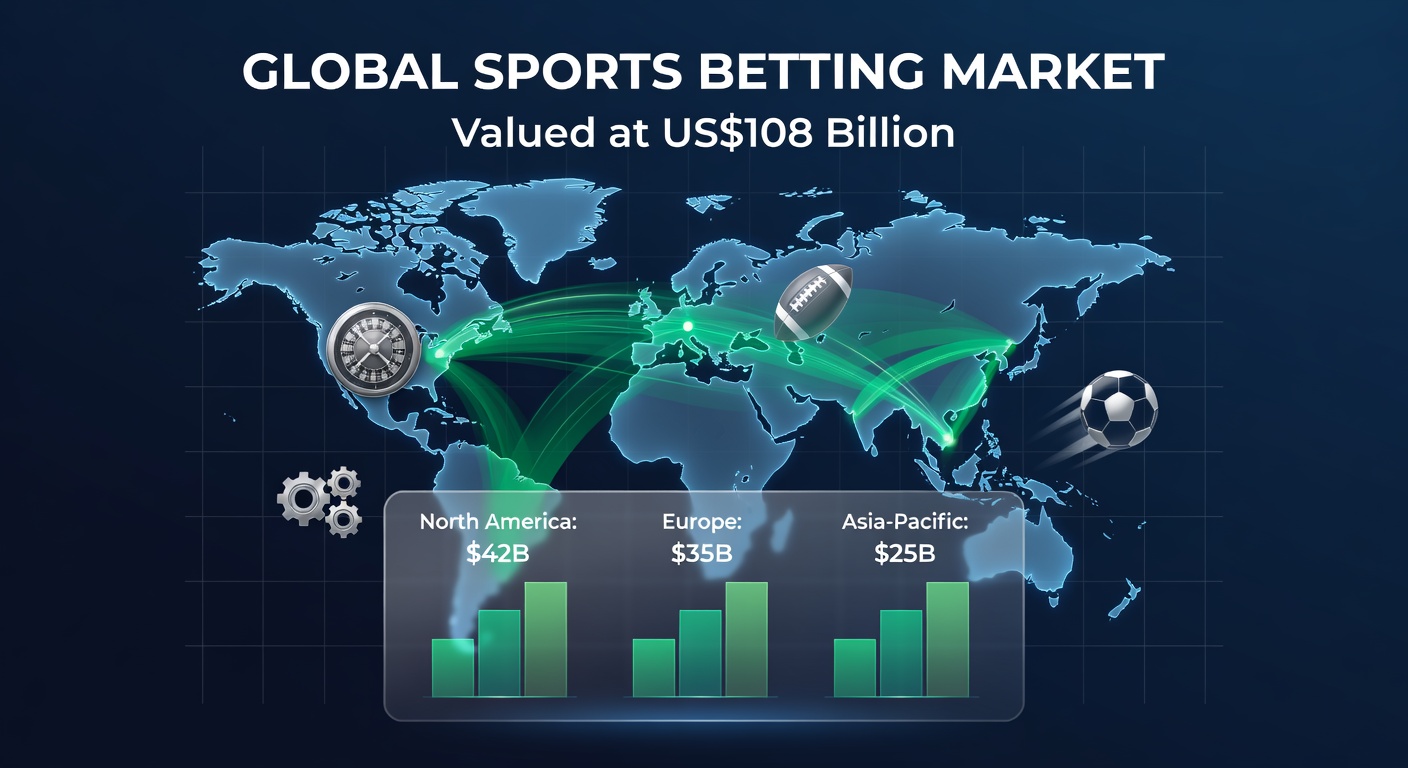
What's notable is how the combination of more matches and favorable timing creates compounding effects across both domestic and international bettors who now have easier access to regulated U.S. platforms. Studies of cross-border participation patterns show that American-hosted events draw increased interest from neighboring markets in Canada and Mexico, where regulatory environments also support sports wagering, and this regional concentration adds another layer of volume that operators must accommodate. The Reuters assessment emphasizes that these dynamics place U.S. sportsbooks at the center of what could become the single largest concentrated period of sports betting activity measured globally.
Operator Preparations and Market Readiness
Preparations among major operators include expanded server capacity, enhanced fraud detection protocols and localized marketing tied to specific team and player narratives that resonate with U.S. audiences. Those who've studied previous major tournaments observe that record handle periods also test responsible gaming safeguards and settlement systems, and companies have allocated resources to ensure operational continuity during peak windows. Data from earlier events demonstrates that live betting surges during high-stakes matches, and the 48-team format ensures a steady cadence of such contests across the group and knockout phases.
Global Context and Comparative Volume Expectations
While earlier World Cups generated significant international betting activity, the 2026 edition benefits from the unique alignment of expanded participation and concentrated North American interest. Reports compiled by industry research groups indicate that aggregate global handle on the 2022 tournament reached notable levels despite challenging broadcast windows for many markets, and the shift in geography plus team count suggests a measurable upward trajectory. Regulatory bodies in various jurisdictions continue to monitor these developments, and the event serves as a live demonstration of how structural changes in tournament design interact with evolving legal landscapes for sports wagering.
Conclusion
The 2026 FIFA World Cup therefore arrives as a milestone event that consolidates multiple growth drivers within a single competition cycle. Expanded team participation, optimized scheduling for major markets and the maturation of U.S. sports betting infrastructure converge to create conditions for elevated handle, and industry expectations documented in June 2026 reflect this convergence. Operators across regulated markets continue final preparations as the tournament approaches, while data collection during the event itself will provide further insight into the scale of activity realized under these new parameters.