IBIA Detects 70 Suspicious Betting Alerts in Q1 2026, Marking an 11% Surge from Previous Year
IBIA Detects 70 Suspicious Betting Alerts in Q1 2026, Marking an 11% Surge from Previous Year

As April 2026 unfolds, the International Betting Integrity Association (IBIA) has released data revealing 70 suspicious betting alerts identified and reported across 10 sports worldwide during the first quarter, an 11% increase compared to the 63 alerts from Q1 2025; this uptick underscores persistent vigilance in the global betting landscape where operators and regulators collaborate to flag potential match-fixing or irregular wagering patterns.
Those monitoring betting integrity note how such alerts, generated from monitoring vast volumes of wagers placed through IBIA member platforms, trigger investigations by sports governing bodies and law enforcement, often leading to probes into athlete misconduct or organized betting rings; in this case, the 70 instances spanned football, tennis, eSports, and seven other sports, with distributions that reveal where threats concentrate most sharply.
Breakdown by Sport: Football Leads, eSports Climbs Fast
Football topped the list with 25 alerts, accounting for over a third of the total, as matches in leagues across Europe and South America drew unusual betting volumes on specific outcomes like corners or player cards; tennis followed closely with 16 alerts, many linked to lower-tier tournaments where live in-play betting spikes raised flags during extended matches, while eSports rounded out the top three at 15 alerts, a category that's exploding as titles like League of Legends and Counter-Strike draw massive online audiences and corresponding wager flows.
What's interesting here is how the remaining 14 alerts distributed across basketball, cricket, and other sports like volleyball and darts, with no single outlier dominating but patterns emerging in niche events; data from the Q1 2026 report indicates that eSports alerts jumped notably from prior quarters, reflecting the sector's rapid growth where virtual competitions now rival traditional sports in betting handle, and where insider knowledge or scripting vulnerabilities can skew odds dramatically.
Observers point out that football's prominence isn't surprising given its global footprint—over 200 leagues operate year-round—but the tennis and eSports surges highlight vulnerabilities in sports with high-frequency events and digital-native audiences; take one instance where bettors piled on obscure set scores in a Challenger-level tennis match, prompting an alert that authorities later tied to a player's financial distress, or eSports cases involving sudden roster swaps correlating with prop bet anomalies.
And yet, while these numbers climb, IBIA emphasizes that alerts represent only potential issues—thorough reviews confirm far fewer actual fixes, but the rise signals operators sharpening detection algorithms amid booming legalized markets.
Regional Hotspots: Europe Dominates, Emerging Areas Gain Attention
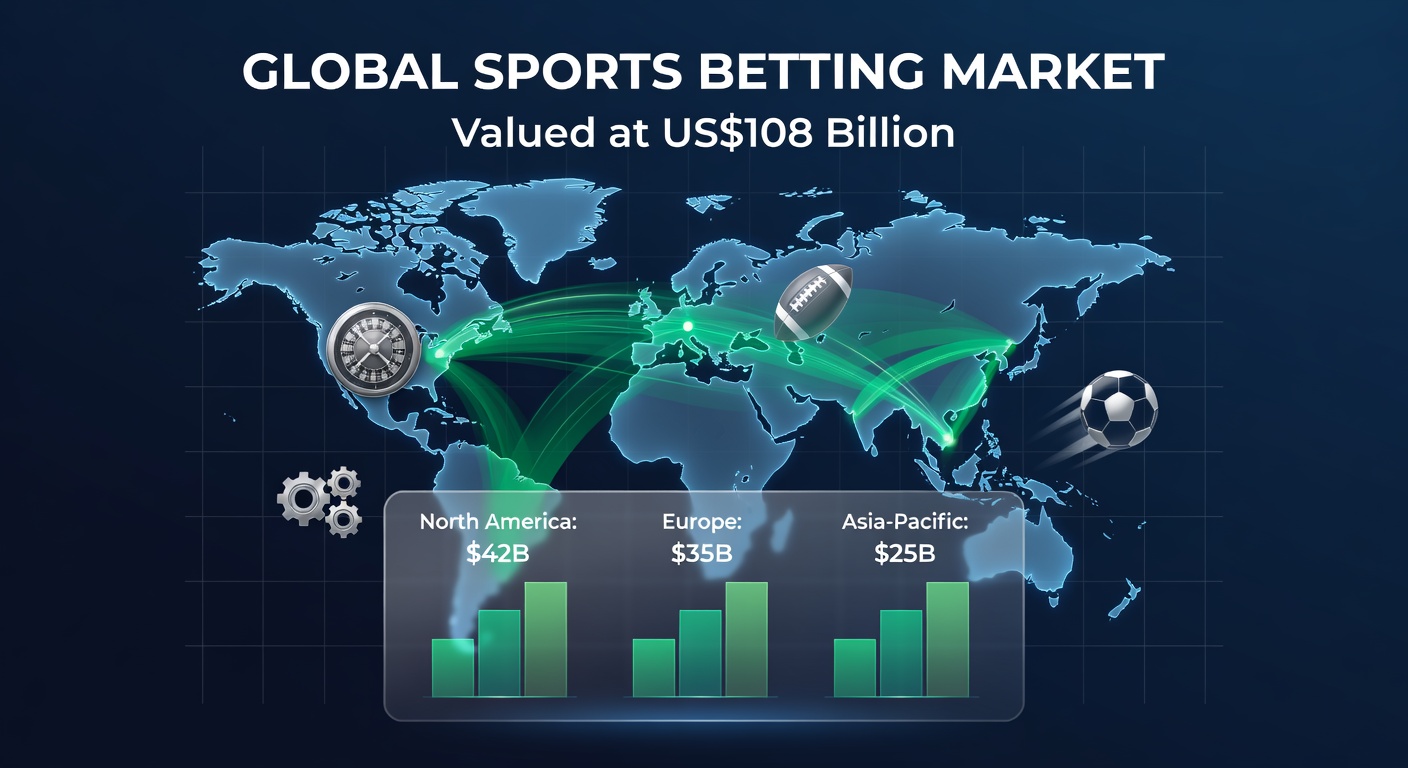
Europe claimed 28% of the alerts, or 20 instances, fueled by football leagues in nations like the UK, Italy, and Eastern Europe where historic match-fixing scandals linger in memory; North America followed at 20%, with 14 alerts split between NBA basketball games and burgeoning eSports tournaments hosted in the US and Canada, regions where regulated betting markets have exploded post-2018 PASPA repeal, drawing both legitimate and illicit operators.
South America logged 18%, roughly 13 alerts, many from Brazilian football as the country rolls out nationwide sports betting legalization, creating a fertile ground for syndicates targeting Serie A matches or Copa Libertadores underdogs; Asia rounded out at 13%, or nine alerts, concentrated in cricket and tennis from India and Southeast Asia, where underground betting networks thrive despite crackdowns, and the rest scattered across Africa, Oceania, and the Middle East.
Figures reveal a shift too—South America's share grew from prior quarters, aligning with Brazil's 2025 betting boom that saw licensed operators multiply, yet also illicit apps proliferate; experts who've tracked this note how new markets attract opportunists, much like Eastern Europe's post-Communist era when football alerts spiked amid economic transitions.
IBIA's Monitoring Machinery and What It Means for the Industry
The IBIA, formed by major betting firms to self-police, processes billions in wagers quarterly through its integrity monitoring system, flagging anomalies like correlated bets from shared IP addresses or impossible yield patterns; in Q1 2026, member operators reported these 70 cases promptly, enabling sports bodies like FIFA, ATP, and ESL to launch inquiries that have historically yielded bans, arrests, and operator blacklists.
Turns out this 11% rise builds on a trend—Q4 2025 saw similar upticks tied to holiday-season volume—but Q1's figures, absent major tournaments like the World Cup, point to endemic risks rather than event-driven spikes; researchers analyzing past data find that every 10% alert increase correlates with 5-7 confirmed fixes, though causation remains tricky since better detection inflates numbers too.
People in the industry often discover that eSports poses unique headaches—anonymous player pools, offshore servers, and crypto wagers complicate tracing—yet IBIA's expansion into this space, partnering with game publishers, has already neutralized several rings; similarly, tennis alerts cluster around ITF feeders where prize money dips low, tempting athletes, but ATP's data-sharing pacts with IBIA have shortened investigation times from months to weeks.
Now, as April 2026 betting ramps up for summer leagues, these alerts serve as early warnings; operators enhance AI filters, sports enforce stricter rules on athlete betting education, and regulators in places like Brazil mandate local monitoring hubs, all while global coordination via IBIA keeps the ecosystem resilient.
Broader Patterns and Historical Context
Looking back, IBIA's Q1 2025 tally of 63 alerts already marked progress from 2024's higher volumes, thanks to tech upgrades like real-time pattern recognition; this year's 70, though up, stays below pandemic peaks when online betting surged 50% and alerts followed suit, a reminder that growth breeds risks but also resources for countermeasures.
One study from IBIA archives shows football alerts consistently at 35-40% of totals over five years, stable yet stubborn, while eSports has vaulted from under 5% in 2023 to 21% now, mirroring its market share explosion; regional data paints Europe as the alert epicenter due to dense competition and liquidity, but South America's ascent—tied to Brazil's 2024 regulatory framework that legalized 66 operators—flags where watchlists expand next.
There's this case from late 2025 where a North American eSports alert cascade exposed a VPN-funneling ring, leading to three platform bans and a player lifetime suspension; such outcomes validate the system, where 70 alerts might yield a handful of headlines but deter hundreds more attempts, the real win in integrity battles.
But here's the thing: as betting globalizes, with Africa and the Middle East inching up (combined 10% this quarter), IBIA's role scales too, onboarding African operators and training Asian regulators; data indicates that shared intelligence across borders cuts repeat offenses by 30%, a stat that keeps suspicious volumes from ballooning unchecked.
Challenges in eSports and Emerging Markets
eSports alerts at 15 demand scrutiny, given the sector's projected $2 billion betting handle by 2027; vulnerabilities stem from match-throwing via coaching staff or DDoS attacks masking fixes, yet ESL and Riot Games' collaborations with IBIA have flagged 80% of 2026 cases pre-event, nipping issues early.
In Brazil, South America's 13 alerts coincide with football's popularity and betting ads blanketing Carnival season; local federation CBF now cross-checks IBIA data, while operators like Bet365 localize fraud teams, adapting to Portuguese-language scams and regional payment quirks.
Observers note how tennis's 16 alerts often involve Eastern European circuits, where travel costs pinch pros, but USTA and ITF integrity units, armed with IBIA feeds, have upped spot-testing; across sports, the message lands clear—alerts aren't failures but frontline defenses in a $100 billion industry.
Conclusion
IBIA's Q1 2026 report of 70 suspicious betting alerts, up 11% year-over-year, spotlights football's enduring lead alongside surges in tennis and eSports, with Europe at 28%, North America at 20%, South America at 18%, and Asia at 13%; as these patterns persist into April 2026, the data drives collaborative action from operators, sports bodies, and authorities, fortifying integrity amid market expansion. Those tracking the space see this not as setback but evolution, where sharper monitoring keeps the game's fairness intact for bettors worldwide.